
Innovative Uses of Sustainable Bamboo: How Bamboo Composites Are Shaping a Greener Future

Bamboo is one of the world’s fastest-growing and most renewable natural resources. Its strength, versatility, and low environmental footprint have made it a cornerstone material in modern sustainable design. As global interest in eco-friendly construction rises, bamboo is increasingly used not only in traditional forms but also in advanced composite products that offer durability, consistency, and aesthetic appeal.
Across regions like Kenya and East Africa, bamboo is emerging as a practical solution to environmental challenges, construction needs, and community development. This article explores how bamboo and bamboo composites are transforming industries, improving livelihoods, and supporting a more sustainable future.

Bamboo Composites: Eco-Friendly Solutions for Modern Construction
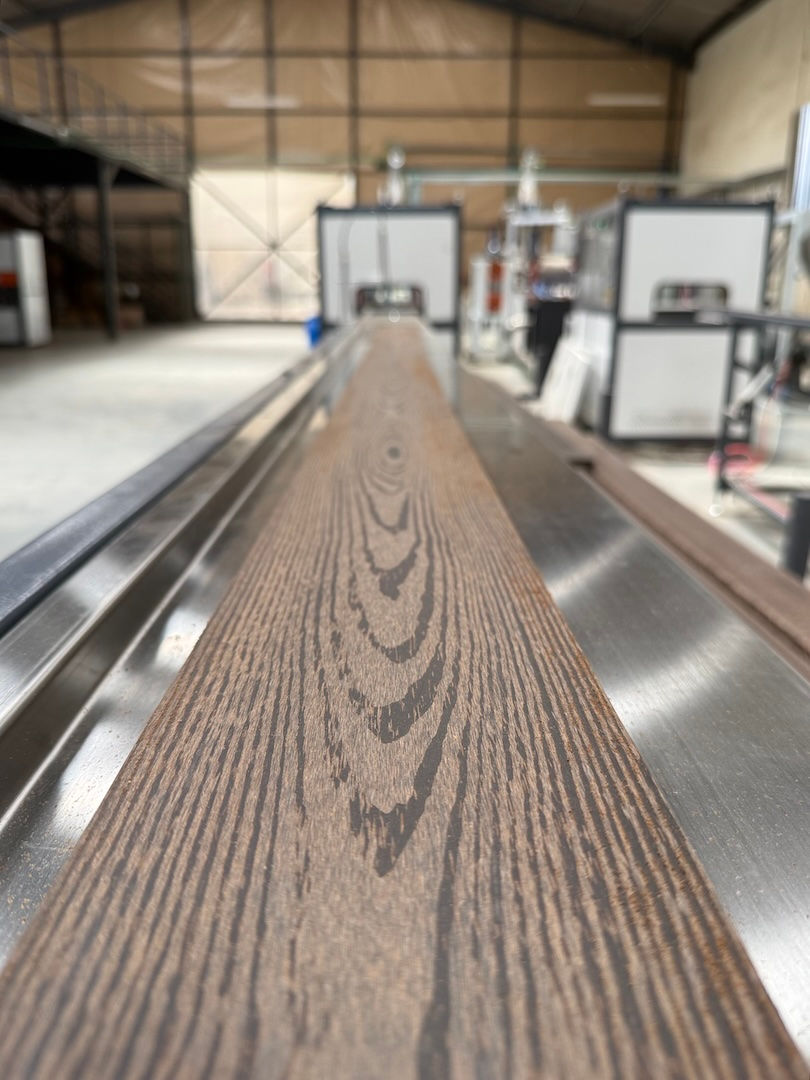
While natural bamboo poles have long been used in building, today’s growth is driven by bamboo composite (often refered to as BPC) products. These are engineered by combining bamboo powder with recycled plastics (HDPE), creating durable, weather-resistant materials ideal for exterior applications.
Decking: Bamboo composite decking boards withstand moisture, UV exposure, and heavy foot traffic, making them ideal for residential and commercial outdoor spaces. They offer a wood-like appearance without the maintenance challenges.
Cladding: Composite cladding provides a sleek, modern façade while protecting structures from weather and wear. It is fade-resistant, rot-free, and suitable for Kenya’s varied climates.
Wall panels: Bamboo composite wall panels add warmth and texture to interiors and exteriors. They offer consistent quality and easy installation, reducing both project time and long-term maintenance.
These materials perform exceptionally well in East African conditions and help reduce the region’s reliance on imported hardwoods and synthetic construction materials.
Sustainable Bamboo Applications in Interior Design
Beyond structural uses, bamboo continues to inspire designers who seek natural, low-impact materials.
Popular Interior Applications
Decorative wall finishes: Composite wall panels offer the visual appeal of bamboo grain with improved durability and uniformity.
Ceiling accents & feature walls: Lightweight panels bring texture and warmth to modern spaces.
Eco-friendly accessories: Items such as lampshades, blinds, and woven décor connect indoor environments to nature.
Designers increasingly choose bamboo composites because they combine sustainability with consistent appearance, long lifespan, and minimal upkeep, key advantages over traditional timber.

Bamboo’s Environmental Benefits for Agriculture and Land Restoration
Bamboo’s impact extends far beyond construction. Across Africa, bamboo cultivation is gaining traction as a regenerative resource for farming and environmental management.
Key Environmental Advantages
Soil erosion control:Bamboo’s deep, fibrous root system stabilizes soil and reduces erosion along slopes, riverbanks, and degraded land.
Carbon sequestration:Bamboo absorbs carbon dioxide at high rates and regenerates rapidly after harvesting, making it a powerful climate-mitigation tool.
Agroforestry integration:Bamboo can grow alongside crops and livestock, improving soil health, increasing farm resilience, and providing farmers with an additional income stream.
Supporting bamboo cultivation strengthens rural economies while reducing pressure on native forests and helping communities adapt to climate change.
Practical Tips for Working with Bamboo in Your Projects
If you’re considering bamboo for your next project, here are some practical recommendations to ensure success:
Source responsibly: Choose suppliers who practice sustainable harvesting and support local farmers. This ensures the bamboo is renewable and ethically produced.
Understand treatment methods: Bamboo must be treated to resist pests and moisture. Common methods include boiling, smoking, or chemical treatments.
Design for flexibility: Bamboo’s natural variability means designs should accommodate slight differences in size and shape.
Combine with other materials: Bamboo works well with concrete, steel, and earth materials, allowing for hybrid structures that maximize strengths.
Plan for maintenance: Regular inspections and upkeep will extend the life of bamboo structures and furnishings.
By following these guidelines, you can harness bamboo’s full potential while maintaining durability and safety.
Practical Guidance for Using Bamboo and Bamboo Composites in Your Projects
To ensure long-lasting performance and responsible use, consider the following best practices:
1. Source responsibly
Choose suppliers who work directly with farmers and follow sustainable harvesting standards. Ethical sourcing ensures fair income distribution and environmental protection.
2. Understand composite performance
BPC products resist moisture, pests, and UV exposure — but quality varies. Select reputable suppliers and ask for product specifications, warranties, and installation guidance.
3. Leverage hybrid designs
Composite materials work well alongside steel, concrete, and natural finishes, creating elegant and durable structures.
4. Plan for proper installation
Follow recommended spacing, fastening systems, and weather-allowance guidelines for decking and cladding to ensure long-term stability.
5. Schedule periodic maintenance
Although composites require far less maintenance than wood, occasional cleaning helps preserve appearance and extend lifespan.
Bamboo’s Growing Role in Kenya’s Sustainable Future
Bamboo and bamboo composites are reshaping how communities build, design, and manage land. For Kenya and East Africa, the rise of bamboo represents more than the adoption of a sustainable material, it reflects a shift toward local production, economic empowerment, and reduced dependence on imported, carbon-intensive building products.
By choosing bamboo composites such as decking, cladding, and wall panels, builders and consumers actively support:
Renewable materials
Local value chains
Reduced deforestation
Lower-carbon construction
Long-lasting, cost-effective solutions
Bamboo continues to prove that sustainability and modern design can go hand in hand.
Discover Bamboo Composites for Your Next Project
For architects, contractors, developers, and homeowners seeking eco-friendly solutions, bamboo composites offer a practical and inspiring path forward. Explore how bamboo composite decking, cladding, and wall panels can elevate your construction or design project while contributing to a greener future. Contact us for more information.


