
Treated Bamboo Poles.
Grown and processed in Kenya.
We supply carefully selected bamboo poles sourced from growers across Kenya. Poles are graded and treated for improved durability and are available in a range of species, lengths and diameters for fencing, landscaping, shade structures and architectural applications.


Why Choose Our Bamboo Poles?
Locally Sourced
Sourced from bamboo growers and supply partners across Kenya.
Treated for Durability
Professionally treated to improve resistance to insects, fungi and biological deterioration.
Versatile Applications
Suitable for fencing, pergolas, shade structures, landscaping and architectural applications.
Naturally Versatile
Available in different species, diameters and lengths to suit a wide range of projects.
Common applications include:
-
Fencing and garden structures
-
Pergolas and shade structures
-
Landscaping
-
Interior and architectural features
-
Selected construction applications
The bamboo we work with

Dendrocalamus Asper
Often referred to as “giant bamboo”, Dendrocalamus Asper is known for its striking size and strength. With its thick walls and natural straightness, it offers a powerful yet refined presence, ideal for bold structural work, outdoor living spaces, and creative design.
This species grows well in Kenya and is valued not only for its performance, but also for its versatility: from eco-lodges and pergolas to fencing and natural screens. Treated properly, Asper poles can last for many years, making them a smart, sustainable choice for builders and designers who want to work with nature, not against it.
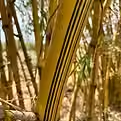
Bambusa Vulgaris
Bambusa Vulgaris is one of the most widespread bamboo species in the tropics; fast-growing, adaptable, and easy to manage. Though its culms are thinner and less structurally robust than those of Asper or Giganteus, Vulgaris offers unique value when used in combination with other species.
At We Do Bamboo, we primarily use Vulgaris for the production of Bamboo Plastic Composite (BPC) materials. When finely ground and mixed with treated Asper particles, it creates a strong, lightweight base for decking, cladding, and other durable outdoor applications. Its fibrous structure and rapid renewability make Vulgaris an efficient, sustainable feedstock for composite innovation.

Dendrocalamus Giganteus
Elegant, tall, and surprisingly lightweight, Dendrocalamus Giganteus is one of the tallest bamboo species in the world. Its smooth, light-colored culms and graceful height make it a favourite for architectural features, interior accents, and landscaping with visual impact.
While less thick-walled than Asper, Giganteus still offers remarkable strength, ideal for aesthetic applications that also require structure. It grows rapidly under the right conditions and is well-suited to Kenya’s diverse climates. Treated poles bring both natural beauty and durability to a wide range of design and construction projects.

Oldeania Alpina
A native Kenyan highland bamboo known for its straight, slender culms and natural resilience. Well suited to fencing, light structures and decorative applications, and valued for its local traceability as a species grown in Kenya's highland regions.

Oxytenanthera Abyssinica Poles
Native to East Africa’s dryland regions, Oxytenanthera abyssinica is characterised by relatively thick-walled culms and a robust natural form. It is commonly used for fencing, landscaping, pergolas and selected construction applications. Its local availability and distinctive appearance make it an attractive option for both functional and architectural projects.
🇰🇪 Grown and Processed in Kenya
Our bamboo poles are sourced and processed in Kenya. Local processing allows us to grade, treat and prepare poles close to source while building demand for locally grown bamboo.

Frequently Asked Questions
What is the difference between the bamboo pole species you offer?
Dendrocalamus Asper is our strongest and thickest-walled species, best suited to structural applications such as construction, heavy fencing and pergolas. Dendrocalamus Giganteus is taller and lighter with a smooth, elegant appearance, making it popular for architectural features, landscaping and decorative use. Bambusa Vulgaris is a thinner, more lightweight species suited to lighter structures, screens and decorative applications. Oldeania Alpina is a native Kenyan highland species valued for its straight culms and local availability.
How are your bamboo poles treated?
All our poles are professionally treated to resist termites, fungi and moisture. Treatment extends the lifespan of the poles significantly compared to untreated bamboo, making them suitable for long-term outdoor use in Kenya's climate. If you require information on the specific treatment method used for a particular species or application, please contact our team.
How long do treated bamboo poles last outdoors?
With proper treatment and installation, treated bamboo poles can last many years in outdoor conditions. Lifespan depends on the species, application, and whether the pole is in contact with soil or exposed to standing water. Poles used in above-ground structures such as pergolas, fencing and shade structures will generally outlast those with direct ground contact. We are happy to advise on best practices for your specific application.
Do you supply bamboo poles in bulk for construction or large projects?
Yes. We supply treated poles in bulk for contractors, landscapers, eco-construction projects and large-scale developments. Pricing for bulk orders differs from individual pole pricing in the shop. Please use the quote form on this page or contact us directly with your required species, lengths, diameters and volumes.
Planning a Bamboo Project?
Tell us about your project, required pole sizes and quantities. We’ll help you select the right bamboo species and provide information on availability, treatment and pricing.